
Tag: fitness
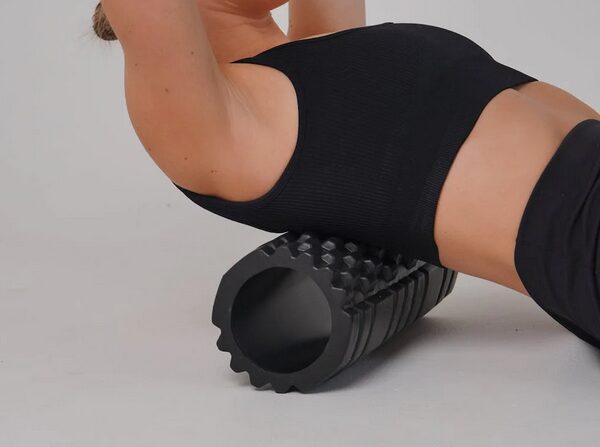
Foam Rolling Techniques for Faster Muscle Recovery
Muscle recovery plays an important role in any fitness routine. After intense exercise, muscles experience small amounts of stress and tension. Proper recovery helps reduce soreness and supports continued performance during future workouts. Foam rolling has become a widely used recovery method among athletes and fitness enthusiasts. This technique involves using a cylindrical foam roller to apply pressure to specific muscle groups. The pressure helps release tight areas within the muscles and surrounding tissues. When used correctly, foam rolling can support faster recovery and improved flexibility. Understanding the right techniques allows individuals to gain the greatest benefit from this simple yet effective recovery tool.
Understanding How Foam Rolling Works
Foam rolling is often described as a form of self-myofascial release. Fascia is the connective tissue that surrounds muscles and supports movement. After physical activity, this tissue may become tight or restricted. Applying pressure with a foam roller helps relax these areas. The rolling motion gently stretches muscle fibers and surrounding fascia. This process encourages improved circulation and reduces muscle tension. Increased blood flow plays a significant role in recovery. Nutrients and oxygen reach muscle tissues more efficiently, helping the body repair itself after exercise. Although foam rolling may feel slightly uncomfortable at first, the sensation typically decreases as muscles begin to relax.
Preparing the Body Before Rolling
Preparation helps maximize the benefits of foam rolling. Starting with light movement warms the muscles and prepares them for pressure. Gentle walking or dynamic stretching can help activate circulation before using the roller. Warm muscles respond more effectively to pressure and movement. Choosing a comfortable surface also improves the experience. Many people prefer to perform foam rolling on a yoga mat or soft exercise flooring. Controlled breathing plays an important role during the process. Slow, steady breathing helps the body relax and allows muscles to release tension more easily. These small steps help ensure foam rolling sessions remain both effective and comfortable.
Rolling the Major Muscle Groups

Foam rolling can target several major muscle groups involved in physical activity. The quadriceps, hamstrings, calves, and back muscles are among the most common areas. When rolling the quadriceps, individuals typically position the roller beneath the front of the thighs while supporting their body with their arms. Slow movement along the muscle helps release tension gradually. For hamstrings, the roller is placed beneath the back of the thighs. Controlled rolling motions help reduce tightness caused by running or strength training. Calf muscles can also benefit from foam rolling. These muscles often experience fatigue during activities such as walking, running, or cycling. Applying gentle pressure to these areas helps maintain flexibility and reduce soreness after demanding workouts.
Controlling Pressure and Movement
Proper technique is essential when using a foam roller. Rolling too quickly or applying excessive pressure may cause unnecessary discomfort. Slow and controlled movements allow the muscles to respond gradually. Many experts recommend rolling each muscle group for thirty to sixty seconds at a time. When a particularly tight area appears, pausing briefly on that spot may help release tension. Maintaining steady breathing during this pause helps the muscles relax. Body positioning also affects pressure levels. Supporting part of the body with the arms or the opposite leg can reduce intensity if needed. Adjusting pressure helps ensure the technique remains beneficial rather than painful.
Integrating Foam Rolling Into a Fitness Routine

Foam rolling can be used both before and after exercise. Each timing serves a different purpose in the recovery process. Before workouts, foam rolling helps prepare muscles for activity. It can increase the range of motion and support better movement patterns during exercise. After workouts, foam rolling helps reduce muscle tightness and encourages recovery. Many athletes use it as part of a post-training routine alongside stretching and hydration. Consistency often determines the effectiveness of foam rolling. Regular use supports muscle health and helps prevent excessive tension from accumulating. Including this practice within a balanced recovery routine can support long-term physical performance.
Additional Benefits for Flexibility and Mobility
Beyond muscle recovery, foam rolling also contributes to flexibility and mobility. Tight muscles can restrict movement and increase the risk of injury. Regular foam rolling helps maintain muscle elasticity. When muscles remain flexible, joints can move more freely during exercise. Improved mobility benefits athletes as well as individuals engaged in everyday physical activity. Simple movements such as walking, bending, or lifting objects become easier when muscles remain relaxed. Over time, foam rolling can support healthier movement patterns throughout the body.
Foam rolling offers a practical and accessible method for supporting muscle recovery. By applying controlled pressure to muscle groups, individuals can release tension and improve circulation after physical activity. Preparing the body, using proper technique, and maintaining consistent practice all contribute to effective results. Foam rolling also supports flexibility and mobility, helping individuals maintain comfortable movement. When incorporated into a regular fitness routine, this simple recovery method can enhance overall performance and reduce post-exercise discomfort.…
Read More
The Role of a Personal Trainer in Injury Prevention and Recovery
Personal trainers are often viewed as coaches who help people achieve fitness goals, build strength, or lose weight. However, their role extends beyond these aspects, particularly concerning injury prevention and recovery. Well-trained personal trainers have gone through several personal trainer courses and are equipped with the knowledge to assist clients in safely navigating workouts, addressing existing injuries, and implementing techniques that prevent new injuries from occurring. Personal trainers are crucial in keeping clients healthy, active, and injury-free by emphasizing proper form, functional movement, and appropriate exercise selection.
Injury Prevention in Fitness
Injury prevention is a core part of a personal trainer’s role, particularly for clients who are new to exercise, have a history of injuries, or are engaging in high-impact or high-intensity workouts. Without proper guidance, the risk of injury can increase significantly, as clients may unknowingly perform exercises with incorrect form or push themselves beyond their limits. Personal trainers help mitigate these risks by assessing each client’s unique needs, fitness level, and any existing limitations, creating customized programs that align with their health and safety.
Exercise Modification and Progression
One of the primary responsibilities of a personal trainer in injury prevention and recovery is exercise modification. For clients recovering from an injury or physical limitations, certain movements may be painful or pose a risk of re-injury. Personal trainers can modify exercises to accommodate these needs, ensuring clients stay active and progress safely. For example, if a client is recovering from a knee injury, a trainer might adjust squats to limit knee strain by focusing on controlled, lower-impact variations. Their methodical approach helps the body adapt to physical demands over time, reducing the risk of strains and overuse injuries resulting from rushing through progression.

Recovery Through Corrective Exercise
Corrective exercises are targeted movements designed to address muscle imbalances, joint limitations, and poor movement patterns that can lead to injuries. Many personal trainers are trained in corrective exercise techniques, helping clients strengthen weak areas, improve flexibility, and restore optimal movement. For instance, if a client has tight hip flexors or weak glutes, a personal trainer might incorporate exercises like bridges or hip stretches to improve mobility and strength, enhancing the client’s movement patterns and reducing injury risk.
Communication and Monitoring
A personal trainer’s most valuable role in injury prevention and recovery is consistent monitoring and open communication with clients. By regularly assessing clients’ progress and seeking feedback, trainers can identify warning signs of strain or overuse and adjust the program as needed. This real-time monitoring allows trainers to address any discomfort or limitations early, reducing the risk of aggravating existing injuries or developing new ones.
The role of a personal trainer in injury prevention and recovery is an essential, yet often underappreciated, aspect of fitness. Their expertise in corrective exercise, recovery planning, and open communication provides clients with the tools they need to enjoy a sustainable, healthy fitness journey. Whether a client is new to exercise, recovering from an injury, or looking to improve performance, a knowledgeable personal trainer is a valuable partner in achieving their goals safely and effectively.…
Read More
